When importing goods from Asia, choosing the right container is crucial. There are different types of containers available, each with their own dimensions and capacity. This blog provides an overview of the most common container sizes, such as the 20ft, 40ft and 40ft High Cube (HC) containers, and their specifications, to help you make the best choice for your freight.

1. 20ft container: Compact and versatile
The 20ft container is one of the most commonly used containers for shipping goods. It is ideal for smaller shipments or when loading space is limited.
- Dimensions: The standard dimensions of a 20ft container are approximately 6.06 meters long, 2.44 meters wide and 2.59 meters high.
- Capacity: The capacity of a 20ft container is approximately 33.2 cubic meters.
- Suitable for: These containers are perfect for transporting heavy goods such as metals, minerals and paper pulp. Or of course smaller numbers of products.
2. 40ft container: Ideal for larger loads
A 40ft container offers double the capacity of a 20ft container and is suitable for larger loads.
- Dimensions: A 40ft container measures approximately 12.19 meters in length, 2.44 meters in width and 2.59 meters in height.
- Contents: These containers have a capacity of approximately 67.7 cubic meters.
- Suitable for: They are often used for transporting furniture, machinery and packaged goods.
3. 40HC high cube (40ft high) container: Extra high for more Volume
The 40ft High Cube container is comparable to the standard 40ft container, but offers extra height.
- Dimensions: The dimensions are approximately 12.19 meters in length, 2.44 meters in width and 2.90 meters in height.
- Capacity: The capacity is approximately 76.4 cubic meters.
- Suitable for: These containers are ideal for light, bulky goods and are often used to ship clothing, cotton and consumer goods.
Read more:
Crisis in the Red Sea
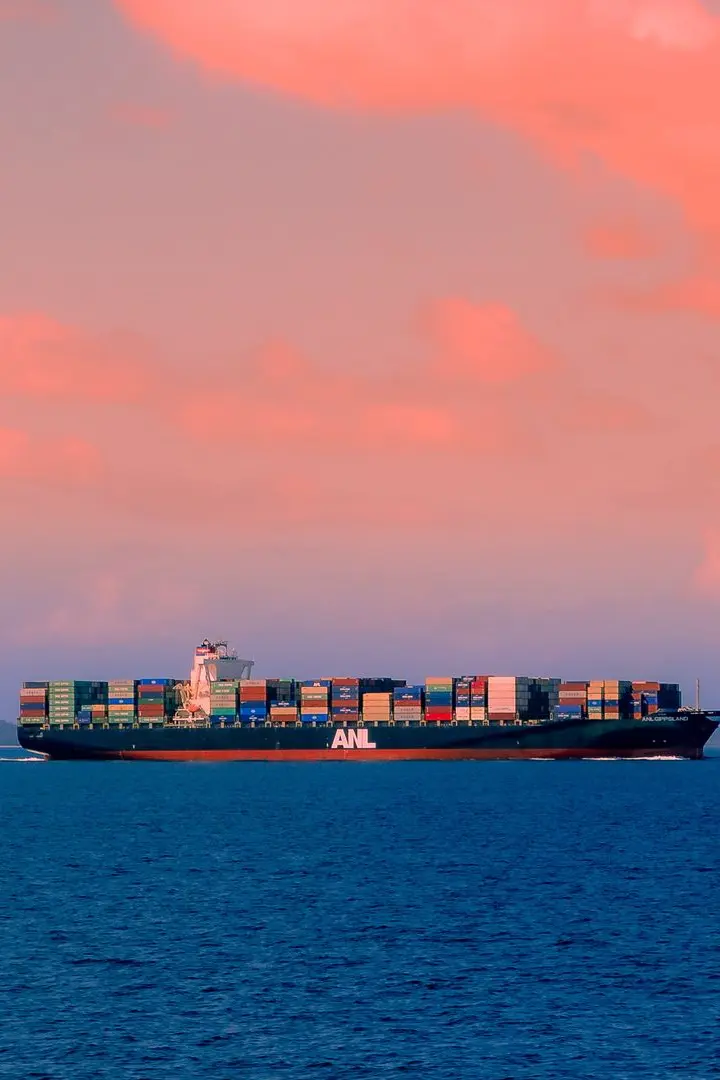
Recent attacks by the Houthi rebels in Yemen have prompted container carriers to stop sailing via the Red Sea and the Suez Canal.
Read moreConclusion
The choice of the right container depends on the nature and volume of the goods you want to import from Asia. Each type of container has its own advantages and limitations. By choosing the right container size, you can ensure that your goods are transported efficiently and safely.
Do you need help with the logistics process from Asia?
Contact Westwood Sourcing for expert advice and support with all your import needs.