
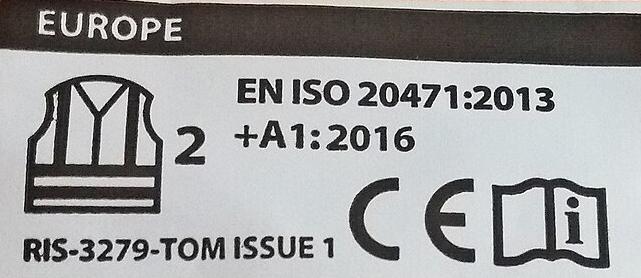
In sectors where visibility is crucial, such as construction, road works and logistics, safety clothing plays a key role. EN ISO 20471 is the international standard for high-visibility clothing that is essential for worker safety. In this blog we explore what EN ISO 20471 means, why it is important, and what it means for companies that import or produce this clothing.
What is EN ISO 20471?
EN ISO 20471 is an internationally recognized standard that specifies the requirements and test methods for high-visibility clothing. This standard is designed to ensure that employees working in high-risk, dimly lit or busy environments are clearly visible.
Lees meer:

What does EU Regulation 2016/425 mean for importers of PPE?
This regulation standardises the safety requirements for PPE within the European Union. But what exactly does it require, and how do you go through the conformity assessment as an importer?
The main features of EN ISO 20471:
- Colour and reflectivity: The standard specifies the colours and reflectivity of the clothing. Bright colours such as neon yellow, orange or green ensure high visibility during the day, while reflective tapes are important for visibility in low light.
- Design of the Clothing: EN ISO 20471 also determines the minimum surface area of fluorescent material and reflective tapes on the clothing. This ensures that the wearer is visible from all angles.
- Durability: The clothing should not only be visible, but also durable and comfortable to wear. This means that the clothing must be able to withstand normal wear and tear and washing without significant reduction in visibility.
Why is EN ISO 20471 important?
- Worker Safety: High visibility is crucial for worker safety, especially in high-traffic or low-light areas.
- Regulatory compliance: For certain professions and areas of work, compliance with this standard is required by law.
- Risk Reduction: By meeting this standard, companies can reduce the risk of accidents and injuries in the workplace.
Implications for importers and manufacturers:
If you are involved in the import or manufacture of workwear, it is essential to ensure that the clothing complies with EN ISO 20471. This means working with reliable manufacturers, regularly testing products, and ensuring certification.
Conclusion
Compliance with the EN ISO 20471 standard is not only a legal obligation, but also a sign of commitment to worker safety. By investing in high-quality, visible workwear, companies protect their employees and strengthen their reputation as responsible employers.
Geconfronteerd met uitdagingen in je supply chain?
Contact Westwood for expert advice and support with complex logistics challenges.