
In the world of international trade, incoterms (International Commercial Terms) are crucial for clearly defining responsibilities between buyers and sellers. FCA (Free Carrier) plays an important role among these incoterms. In this blog we delve into the world of FCA incoterms, clarify their meaning and discuss how they impact exporters and importers worldwide.
What are FCA incoterms and what is their meaning?
FCA, meaning "Free Carrier", is an internationally used trade term indicating that the seller is responsible for delivering the goods, ready for export, to a carrier designated by the buyer at a specified location. The moment the goods are handed over to the carrier, responsibility passes from the seller to the buyer.
Why are FCA incoterms important?
- Clear responsibilities: FCA Incoterms make clear who is responsible for the goods at every point in the supply chain, which helps prevent misunderstandings and disputes.
- Flexibility for buyers and sellers: FCA offers flexibility, because the buyer is free to arrange their own transport and control the costs.
- Suitable for all modes of transport: FCA can be used for every type of transport, which makes it a versatile option for both domestic and international trade.
Important considerations for FCA incoterms
- Insurance Issues: Under FCA, the buyer is responsible for insurance once the goods have been handed over to the carrier.
- Export and Import Formalities: The seller is responsible for the export formalities, while the buyer must arrange the import formalities.
- Risk Transfer: It is crucial for both buyers and sellers to understand exactly when risk passes and who is responsible for the goods at each point in transit.
Practical example: FCA incoterms when importing from India
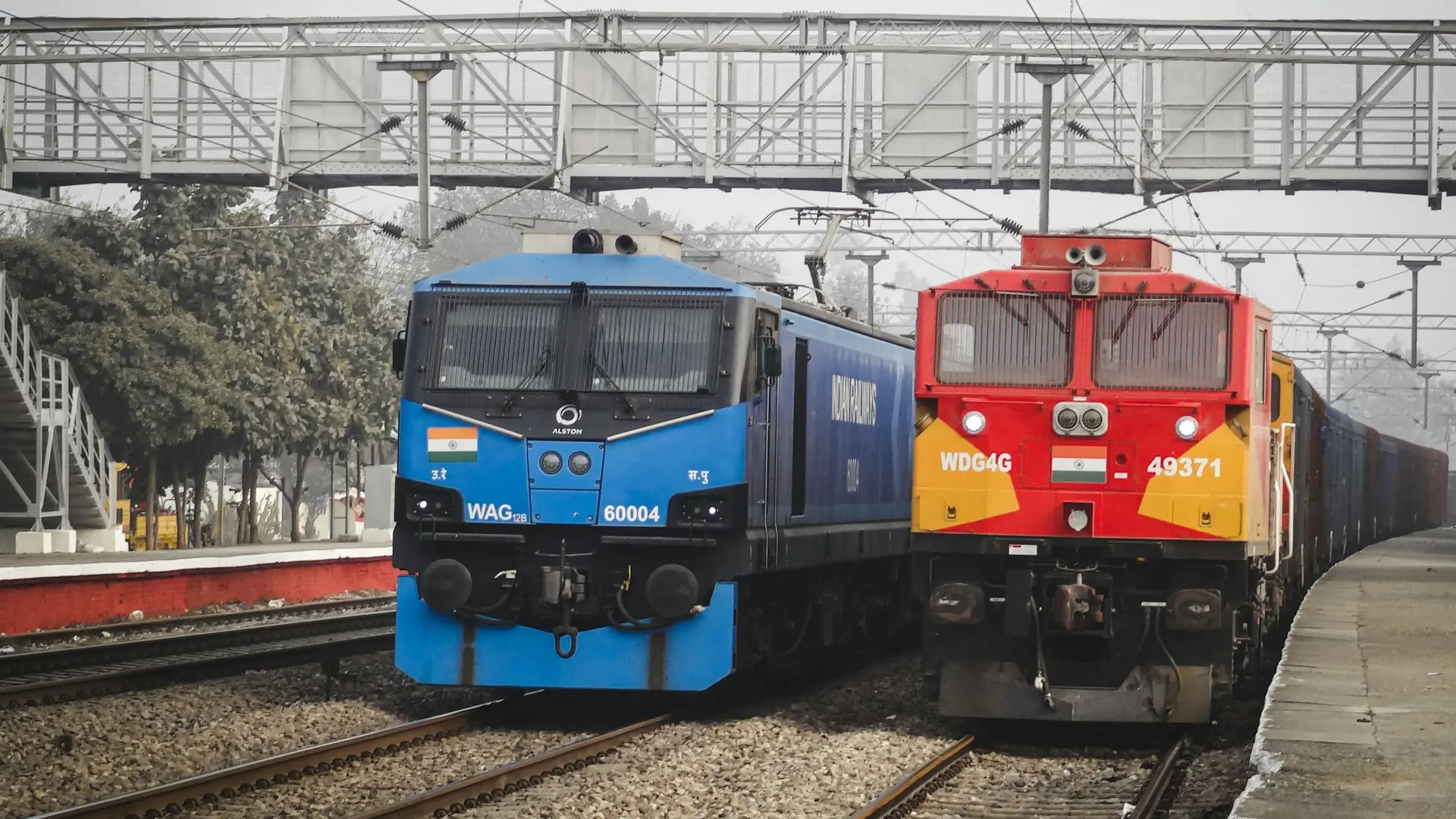
Let's take a specific example to illustrate the application of FCA Incoterms: Imagine you are importing goods from domestic India. The manufacturer, located domestically, is responsible for delivering the goods to the freight train station in New Delhi. This is the point where the seller's responsibility ends and the buyer's responsibility begins.
Steps in the process:
- Delivery by manufacturer: The manufacturer takes care of the transport of the goods to the train station in New Delhi. All risks and costs up to this point are the responsibility of the manufacturer.
- Transfer of responsibility: Once the goods reach the railway station in New Delhi and are handed over to the carrier (in this case the train service), the responsibility shifts to the buyer. This includes the risks of loss or damage to the goods from this point onwards.
- Transport to Nava Sheva: The buyer arranges and pays for the transport of the goods by train from New Delhi to the port of Nava Sheva. The buyer also bears the responsibility for any damage or losses during this transportation.
- Shipping by sea: Once arrived in Nava Sheva, the buyer will arrange the onward shipment of the goods, including loading it onto a ship. The buyer is responsible for all costs and risks from the New Delhi train station to the final destination.
Key points in this example:
- Risk transfer in New Delhi: It is crucial that the buyer and seller clearly agree and understand that the risk passes once the goods have been delivered to the first mode of transport (the train) in New Delhi.
- Insurance and Compliance: The buyer must ensure adequate insurance from the time of transfer in New Delhi and must comply with all import and export regulations.
This practical example highlights how FCA Incoterms provide clarity on responsibilities, risks and costs in international trade transactions. It helps both buyers and sellers make efficient and secure deals when importing goods from abroad.
Read more:
What are incoterms 2020?
Incoterms define the rights and obligations of buyers and sellers. In this article we dive deeper into the Incoterms 2020, the most recent version.
Conclusion
FCA Incoterms provide a clear framework for arranging transport and responsibilities in international trade transactions. Understanding these terms is essential for both buyers and sellers to enter into efficient and effective trade agreements. By making good use of FCA Incoterms, companies can minimize risks and ensure the smooth running of their international trade.
Do you need help importing from India?
Westwood Sourcing offers specialist support and expertise to make your import from India successful and efficient. Contact us today for more information!