PPE Symbols Download
Download Personal Protective Equipment (PPE) symbols and pictograms in SVG, PNG and PDF formats. Find markings for protective gloves, eye and face protection, respiratory protection, safety footwear and other PPE, with guidance on what each pictogram means and when it applies.
The symbols on this page are free to use.
| Responsible | Joe Aniba |
|---|---|
| Last Update | 20/08/2026 |
| Members | 2 |
Hand Protection
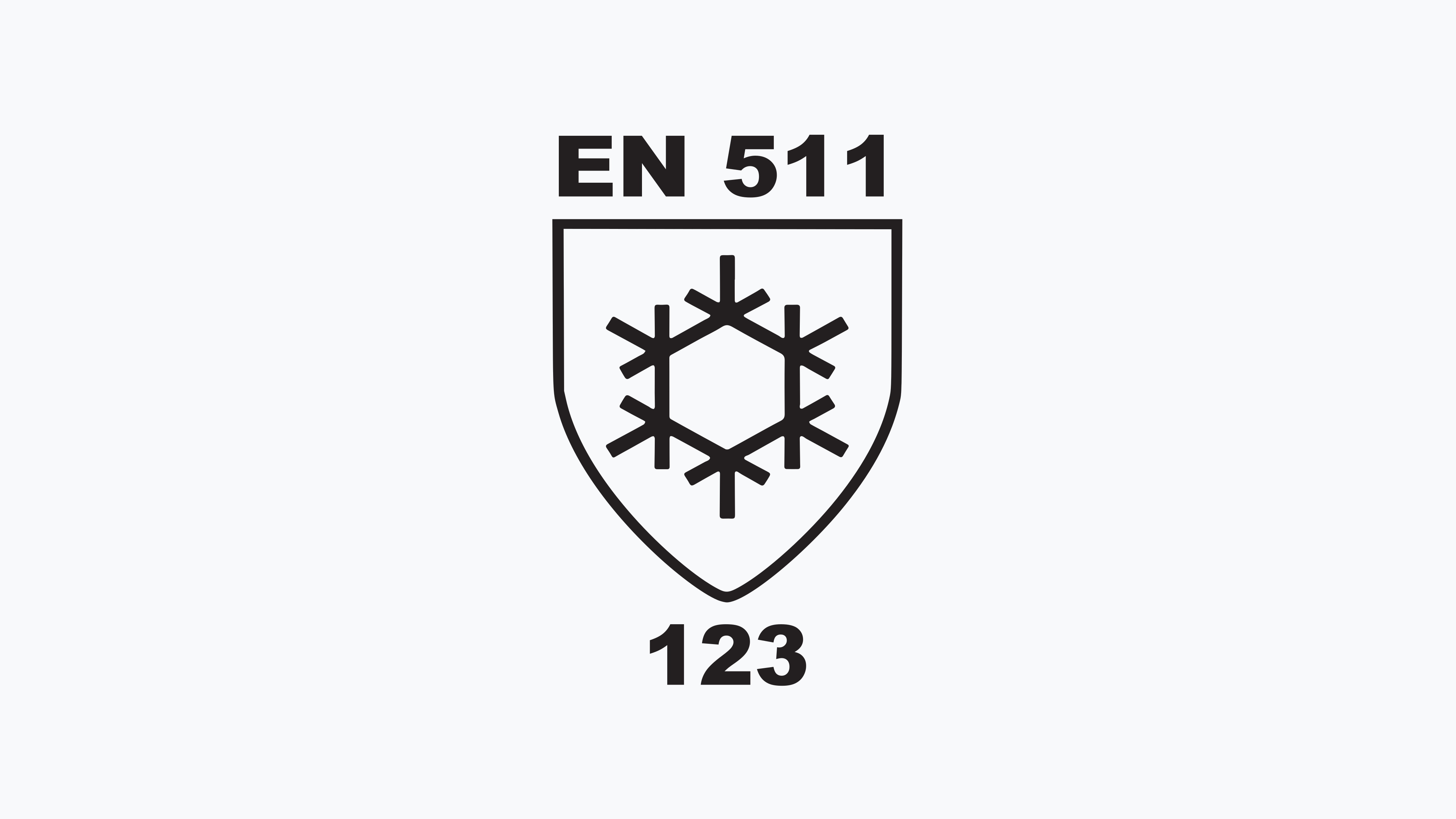
View allThe EN 511 pictogram is used for protective gloves designed to protect against cold. Download the pictogram in SVG, PNG and PDF and learn what the three performance ratings underneath it mean.
What Does the EN 511 Pictogram Mean?
EN 511 specifies requirements and test methods for protective gloves against cold. The pictogram indicates that the glove has been assessed for protection against convective cold, contact cold and water penetration.
How Do You Read an EN 511 Rating?
Three performance values are shown underneath the EN 511 pictogram:
Convective cold - Contact cold - Water penetration
Convective cold is rated from level 0 to 4, and contact cold is also rated from level 0 to 4. Water penetration is rated 0 or 1.
An X can be used where the relevant test has not been performed. The ratings are product-specific and must correspond to the actual test results for the glove.
Which Products Use the EN 511 Pictogram?
The EN 511 pictogram is used on protective gloves intended to protect the hands against cold. Typical applications include outdoor work in cold conditions, refrigerated environments, freezer and cold-storage work and other occupational activities involving exposure to cold.
You Might Also Need These Pictograms and Marks
If the gloves also protect against mechanical risks, the EN 388 pictogram may apply. For protection against chemicals and micro-organisms, see the EN ISO 374 pictograms.
Protective gloves placed on the EU market as PPE are also subject to Regulation (EU) 2016/425 and require CE marking when the applicable conformity requirements have been met.
Download
Download EN 511 cold protection pictogram:
en-511-cold.pngen-511-cold.svgen-511-cold.pdf
The downloadable pictogram does not include product-specific performance ratings. Add only the EN 511 ratings supported by the testing and conformity assessment of your protective gloves.
Looking for another PPE marking? View all PPE pictograms.
EN ISO 374 covers protective gloves against dangerous chemicals and micro-organisms. Download the Type A, Type B, Type C, micro-organism and virus protection pictograms in SVG, PNG and PDF and learn which marking applies to your gloves.
What Does EN ISO 374 Cover?
EN ISO 374 is a series of standards for protective gloves against dangerous chemicals and micro-organisms.
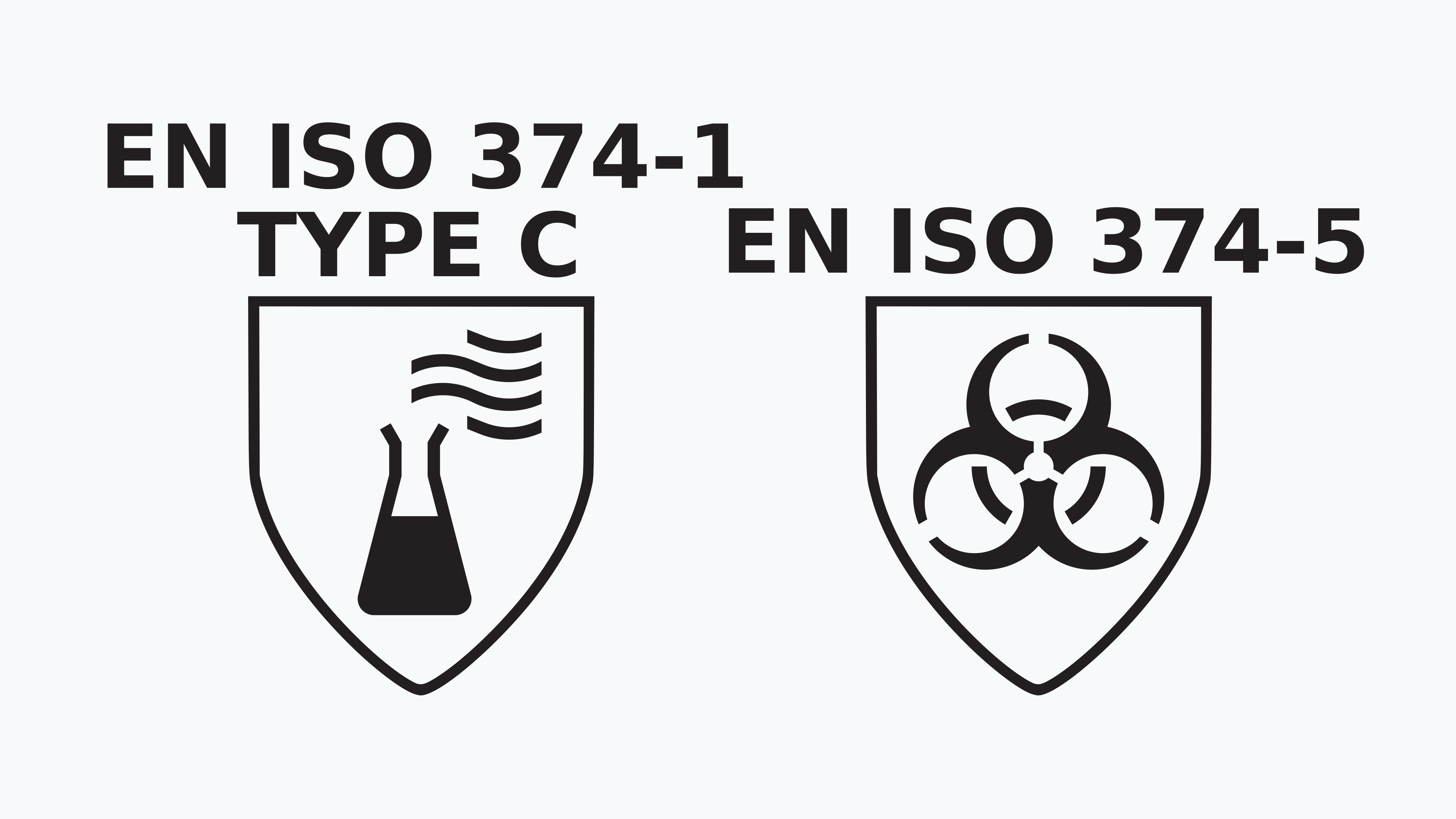
EN ISO 374-1 covers chemical risks and classifies chemical protective gloves as Type A, Type B or Type C. The classification depends on how many specified test chemicals meet the required permeation performance.
EN ISO 374-5 covers protection against micro-organisms, including bacteria, fungi and, where specifically tested, viruses.
EN ISO 374-1 Type A Pictogram
Type A provides the broadest chemical permeation coverage within the EN ISO 374-1 classification system.
The glove must achieve at least permeation performance level 2, corresponding to a breakthrough time of at least 30 minutes, for at least 6 test chemicals from the specified list.
The corresponding chemical letter codes are displayed underneath the pictogram. A Type A marking therefore contains at least six chemical letters identifying the chemicals for which the required performance has been demonstrated.
Only use chemical letter codes supported by the actual test results for the glove.
EN ISO 374-1 Type B Pictogram
Type B requires the glove to achieve at least permeation performance level 2, corresponding to a breakthrough time of at least 30 minutes, for at least 3 test chemicals from the specified list.
At least three corresponding chemical letter codes are displayed underneath the pictogram.
Type B therefore covers fewer qualifying test chemicals than Type A, but the minimum permeation performance for each qualifying chemical is the same.
EN ISO 374-1 Type C Pictogram
Type C requires the glove to achieve at least permeation performance level 1, corresponding to a breakthrough time of at least 10 minutes, for at least 1 test chemical from the specified list.
Unlike Type A and Type B, chemical letter codes are not displayed underneath the Type C pictogram.
In short:
Type A - at least 6 chemicals - at least 30 minutes
Type B - at least 3 chemicals - at least 30 minutes
Type C - at least 1 chemical - at least 10 minutes
EN ISO 374-5 Micro-organism Pictogram
EN ISO 374-5 covers protective gloves intended to protect against micro-organisms.
The biohazard pictogram is used for gloves meeting the applicable requirements for protection against bacteria and fungi.
Protection against bacteria and fungi does not automatically mean that protection against viruses has also been demonstrated.
EN ISO 374-5 Virus Pictogram
When the additional requirements for protection against viruses have been met, the biohazard pictogram is accompanied by the word VIRUS.
Only use the VIRUS marking when the glove has passed the applicable virus penetration test. A glove carrying only the micro-organism marking should not be presented as providing virus protection.
Which Products Use EN ISO 374 Pictograms?
EN ISO 374 pictograms are used on protective gloves designed for chemical or biological hazards.
Typical examples include chemical-resistant gloves, laboratory gloves, industrial protective gloves, cleaning gloves and other protective hand equipment intended to protect against dangerous chemicals or micro-organisms.
The correct marking depends on the hazards against which the glove has actually been tested and certified.
You Might Also Need These Pictograms and Marks
Protective gloves intended for food handling may also need to meet applicable food contact requirements. See our Food Contact Symbols page. If the gloves also provide protection against mechanical risks, the EN 388 pictogram may apply.
Protective gloves sold as PPE in the EU are also subject to Regulation (EU) 2016/425 and require CE marking once the applicable conformity requirements have been met.
Download
Download EN ISO 374-1 Type A pictogram
en-iso-374-1-type-a.pngen-iso-374-1-type-a.svgen-iso-374-1-type-a.pdf
Download EN ISO 374-1 Type B pictogram
en-iso-374-1-type-B.pngen-iso-374-1-type-B.svgen-iso-374-1-type-B.pdf
Download EN ISO 374-1 Type C pictogram
en-iso-374-1-type-c.pngen-iso-374-1-type-c.svgen-iso-374-1-type-c.pdf
Download EN ISO 374-5 micro-organism pictogram
en-iso-374-5.pngen-iso-374-5.svgen-iso-374-5.pdf
Download EN ISO 374-5 virus pictogram
en-iso-374-5-virus.pngen-iso-374-5-virus.svgen-iso-374-5-virus.pdf
The downloadable pictograms do not include product-specific chemical letter codes or test claims. Use the appropriate pictogram and add only chemical codes and protection claims supported by the testing and conformity assessment of your gloves.
Looking for another marking? View all PPE symbols.

EN 407 uses two pictograms for protective gloves and other hand protection against thermal risks. Download both EN 407 pictograms in SVG, PNG and PDF and learn which pictogram applies and what the performance ratings mean.
What Does EN 407 Cover?
EN 407 is the European standard for protective gloves and other hand protective equipment against thermal risks. It covers six performance characteristics:
Limited flame spread - Contact heat - Convective heat - Radiant heat - Small splashes of molten metal - Large quantities of molten metal
The performance ratings shown with the pictogram must correspond to the actual test results for the product.
Why Are There Two EN 407 Pictograms?
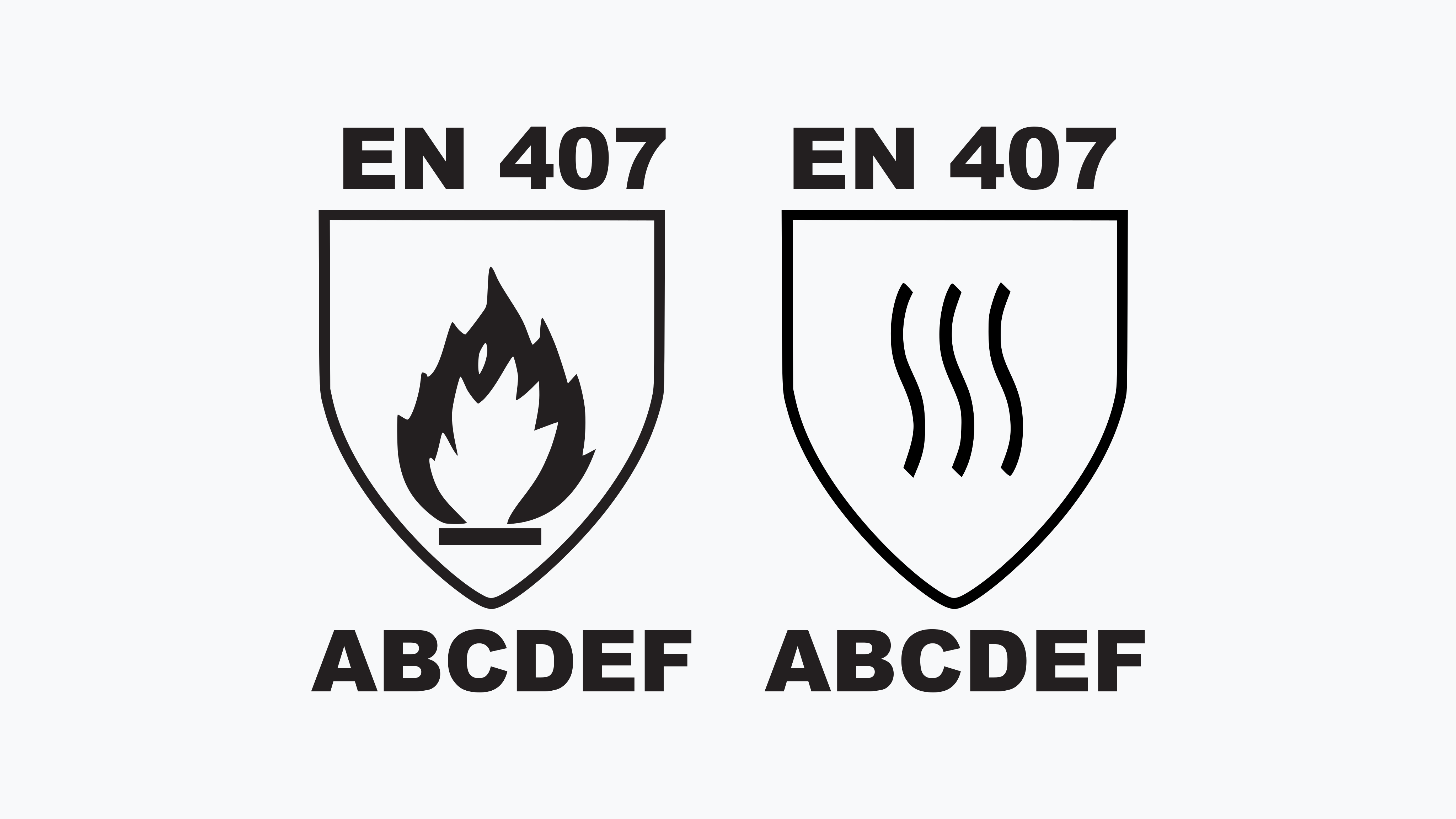
EN 407:2020 uses two different pictograms depending on the protection provided.
The flame pictogram is used when the requirements for limited flame spread are met.
The heat pictogram without the flame is used when limited flame spread is not claimed, but protection against one or more of the other thermal risks is provided.
The two pictograms are therefore not interchangeable.
How Do You Read an EN 407 Rating?
The EN 407 marking has six positions corresponding to the six thermal performance characteristics. The applicable performance level is shown for each characteristic, while X can be used where a test has not been performed or a performance level cannot be claimed.
Only use ratings supported by the relevant testing. Do not copy example performance levels onto a product.
Which Products Use EN 407 Pictograms?
EN 407 pictograms are used for protective gloves and other hand protection designed for thermal hazards. Examples include welding gloves, foundry gloves, heat-resistant industrial gloves and other hand protection used around hot surfaces, flames, radiant heat or molten metal.
You Might Also Need These Pictograms and Marks
If the product also provides protection against mechanical risks, the EN 388 pictogram may apply. PPE placed on the EU market is also subject to Regulation (EU) 2016/425 and requires CE marking when the applicable conformity requirements have been met.
Download
Download both EN 407 pictograms below in SVG, PNG and PDF format.
EN 407 Contact Heat pictogram:
en-407-contact-heat-pictogram.pngen-407-contact-heat-pictogram.svgen-407-contact-heat-pictogram.pdf
EN 407 Flame Pictogram:
en-407-flame-pictogram.png
en-407-flame-pictogram.svgen-407-flame-pictogram.pdf
The downloadable pictogram does not include product-specific performance ratings. Add only the EN 407 ratings supported by the testing and conformity assessment of your protective gloves.
Looking for another PPE marking? View all PPE pictograms.
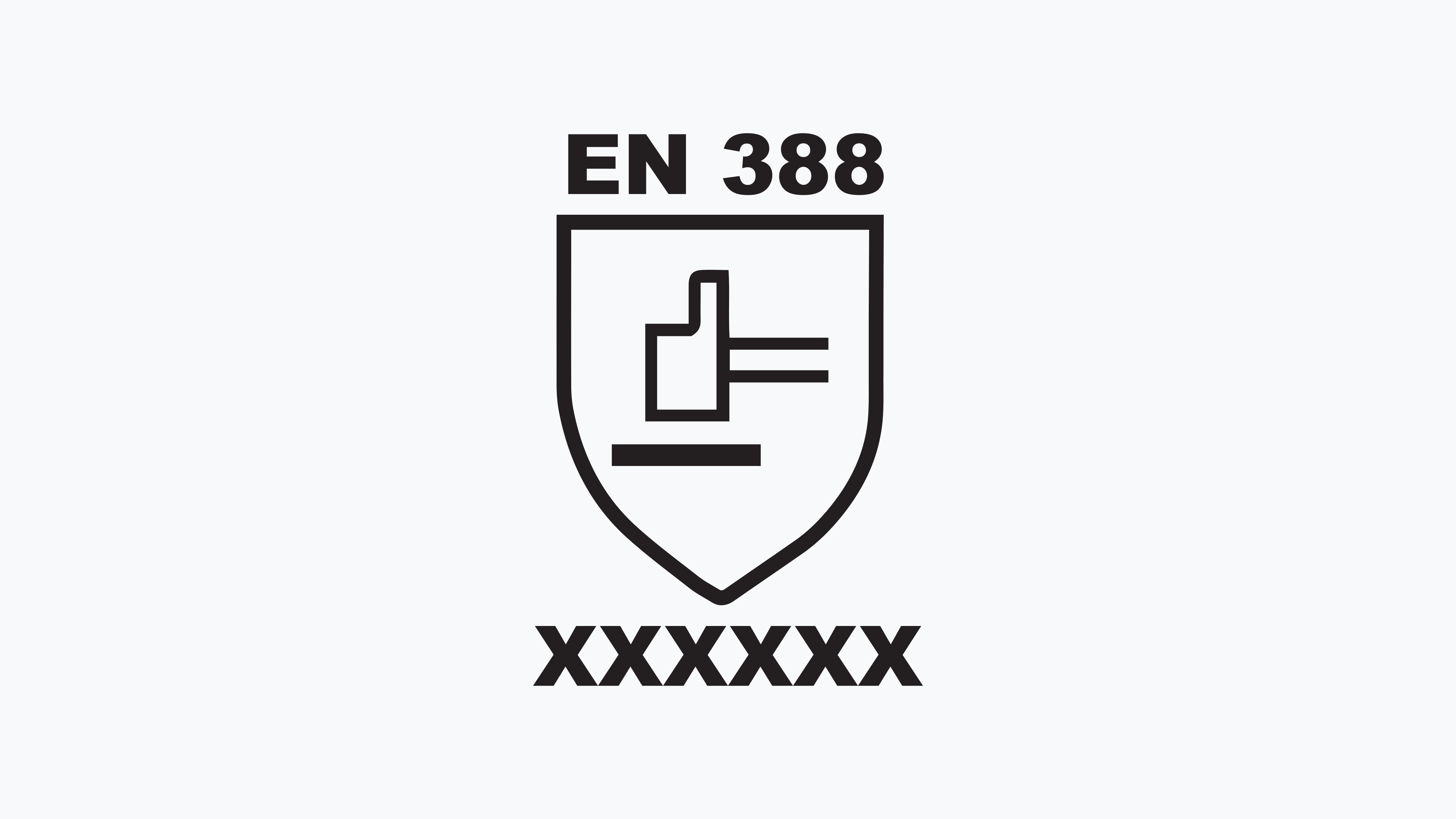
The EN 388 pictogram is used on protective gloves tested for mechanical risks. Download the glove pictogram in SVG, PNG and PDF and learn what the performance ratings underneath the pictogram mean.
What Does the EN 388 Pictogram Mean?
EN 388 is the European standard for protective gloves against mechanical risks. It covers performance against hazards such as abrasion, cutting, tearing and puncture.
The glove pictogram is accompanied by performance ratings showing the results achieved by the glove.
How Do You Read an EN 388 Rating?
An EN 388 marking can contain ratings for:
Abrasion resistance - Cut resistance - Tear resistance - Puncture resistance - TDM cut resistance - Impact protection
A marking may, for example, look like:
EN 388: 4X43C
The exact marking depends on the tests applicable to the glove and the results achieved. Do not add generic performance values underneath the pictogram.
Which Products Use the EN 388 Pictogram?
The marking is intended for protective gloves designed against mechanical risks. Typical examples include work gloves, handling gloves, cut-resistant gloves and other protective gloves intended to protect the hands against mechanical hazards.
EN 388 is not the appropriate standard for every type of protective glove. Other hazards may require additional standards and markings, such as EN 407 for thermal risks or EN 374 for chemical risks.
You Might Also Need These Marks
Protective gloves sold as PPE in the EU are subject to the PPE Regulation (EU) 2016/425 and require CE marking when the applicable conformity requirements have been met. Depending on the protection offered, your gloves may also require other markings, such as the EN 407 pictogram for thermal risks.
Download
Download the EN 388 glove pictogram below in SVG, PNG and PDF format.
en-388-glove-pictogram.pngen-388-glove-pictogram.svgen-388-glove-pictogram.pdf
The downloadable pictogram does not include product-specific performance ratings. Add only the EN 388 ratings supported by the testing and conformity assessment of your protective gloves.
Looking for another PPE marking? View all PPE pictograms.
You might also need these icons
PPE placed on the EU or Great Britain market may also require a CE or UKCA mark, depending on the product and market. Visit our CE and UKCA Marks page to learn when each conformity marking applies and download the files. For protective gloves or clothing intended for food handling, see our Food Contact Symbols page for the relevant food contact markings and requirements.