Skip to Content
Food Contact Symbols Download

Food Contact Symbols Download

Download food contact symbols and icons in SVG, PNG and PDF formats. Find the EU Food Contact Materials glass and fork symbol as well as national markings, including the German LFGB symbol. Each download includes guidance on when the symbol is required and which products it applies to.

The symbols on this page are free to use.

Responsible Joe Aniba
Last Update 06/11/2026
Members 2
Symbols Compliance
Food Contact Symbols
View all
LFGB Germany Symbol Download: SVG, PNG and PDF
Preview

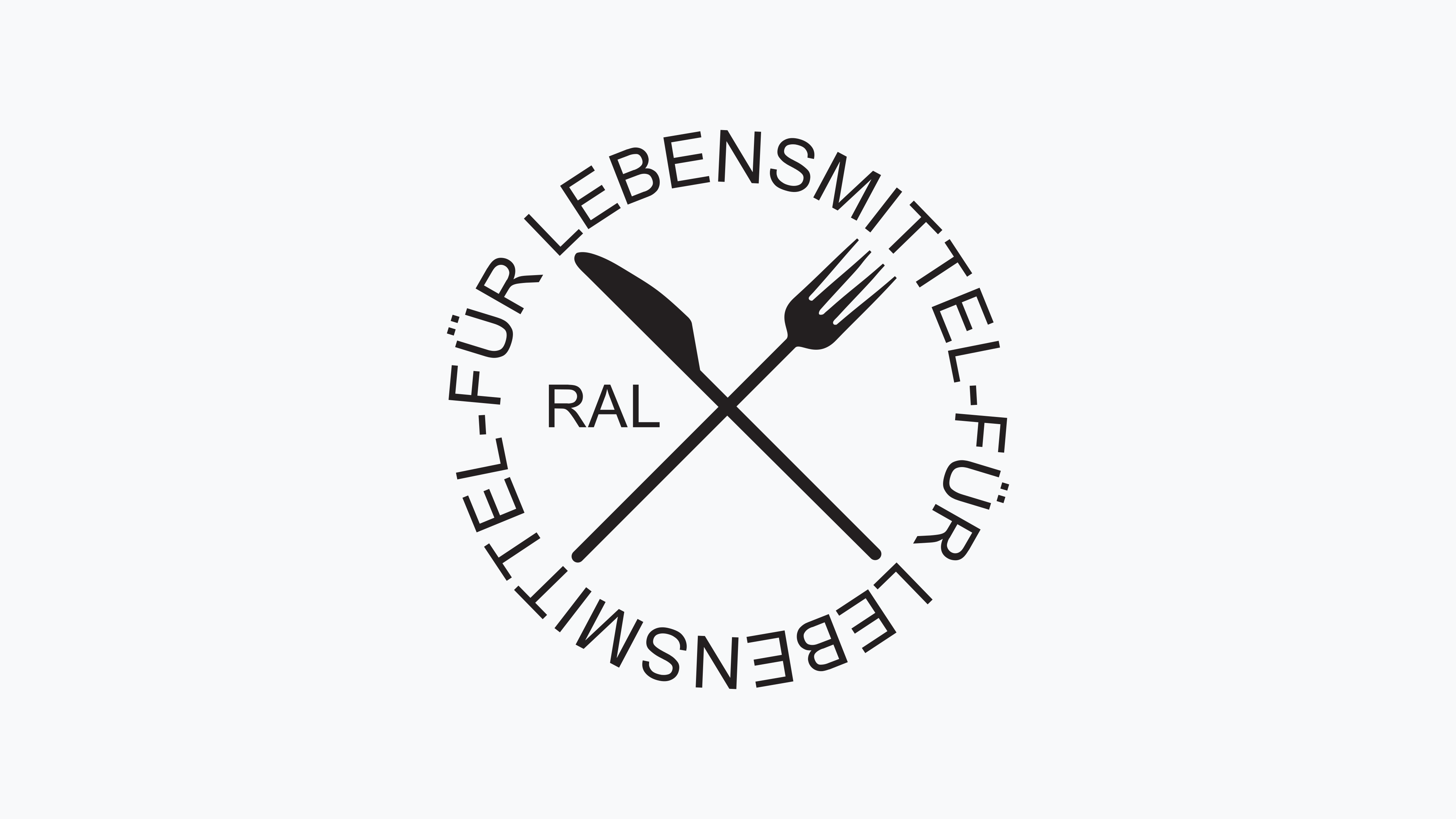
The LFGB symbol is commonly used on food contact products marketed in Germany. Download the symbol in SVG, PNG and PDF formats and learn what it means and when it can be used.


What Is the German LFGB Symbol?

The LFGB symbol refers to Germany's Lebensmittel-, Bedarfsgegenstände- und Futtermittelgesetzbuch (LFGB), the German Food and Feed Code. It is commonly associated with products and materials intended to come into contact with food.

Unlike the EU glass and fork symbol, this specific LFGB marking is not a general mandatory food contact symbol required by the LFGB. Its presence should therefore not be interpreted as proof that a product is legally compliant or officially certified under the LFGB.

Which Products Is the LFGB Symbol Used For?

The LFGB symbol may be found on food contact products marketed in Germany, including kitchen utensils, cookware, tableware, food storage containers and other articles intended to come into contact with food.

Products placed on the German market must comply with the applicable EU and German food contact requirements regardless of whether the LFGB symbol is displayed.

Do I Need the LFGB Symbol in Germany?

No. There is no general requirement to display this LFGB symbol on food contact products sold in Germany.

Where identification of a product's food-contact purpose is legally required, the relevant requirement generally comes from Regulation (EC) No 1935/2004. Depending on the product, this can be satisfied by the EU glass and fork symbol or appropriate wording such as “for food contact”. If you are not sure whether your artwork meets the requirements, have your labelling checked before you print.

Download the LFGB Germany symbol at the bottom of this page in SVG, PNG and PDF format.

Food Contact Materials Symbol Download: SVG, PNG and PDF
Preview

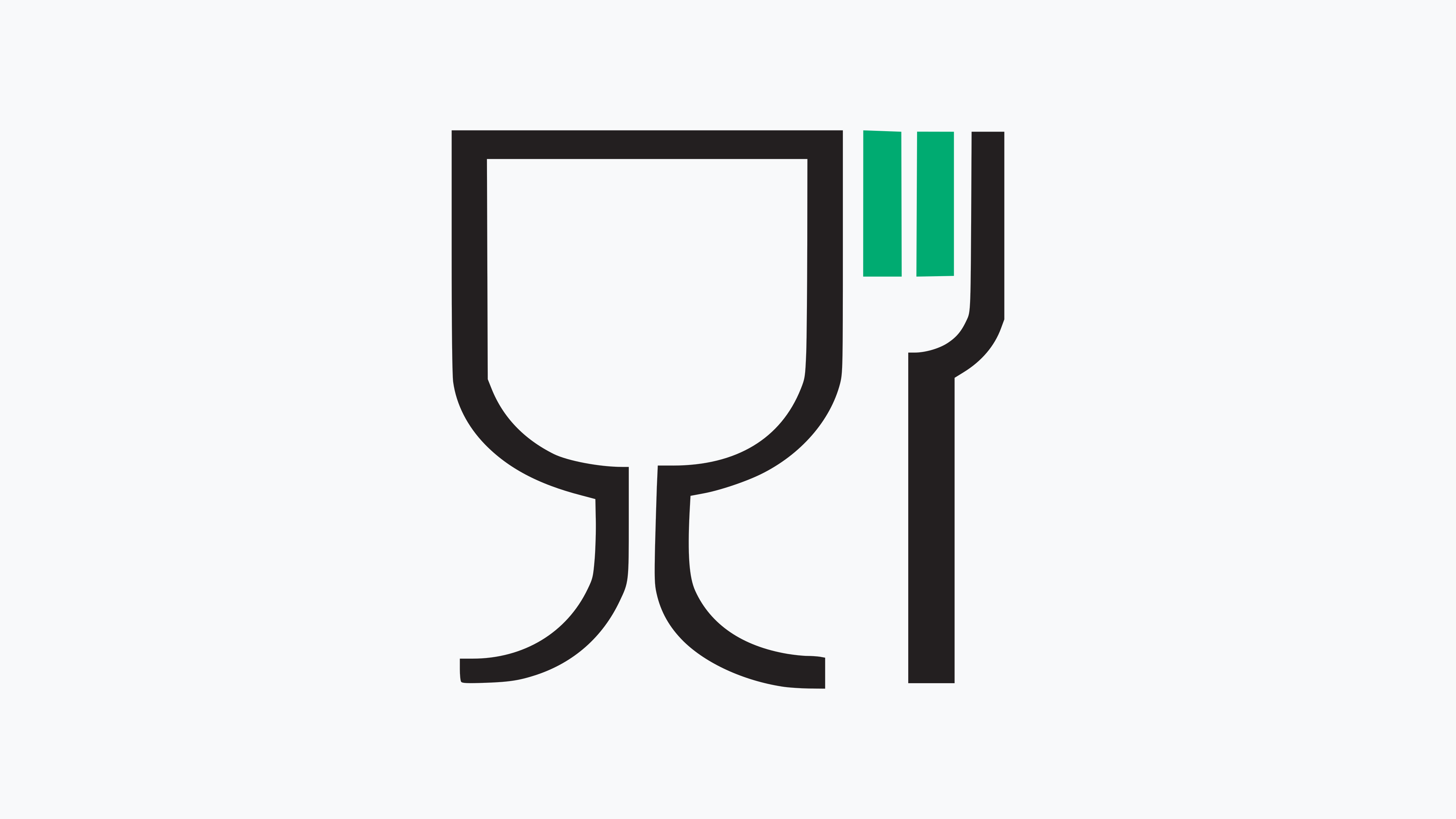
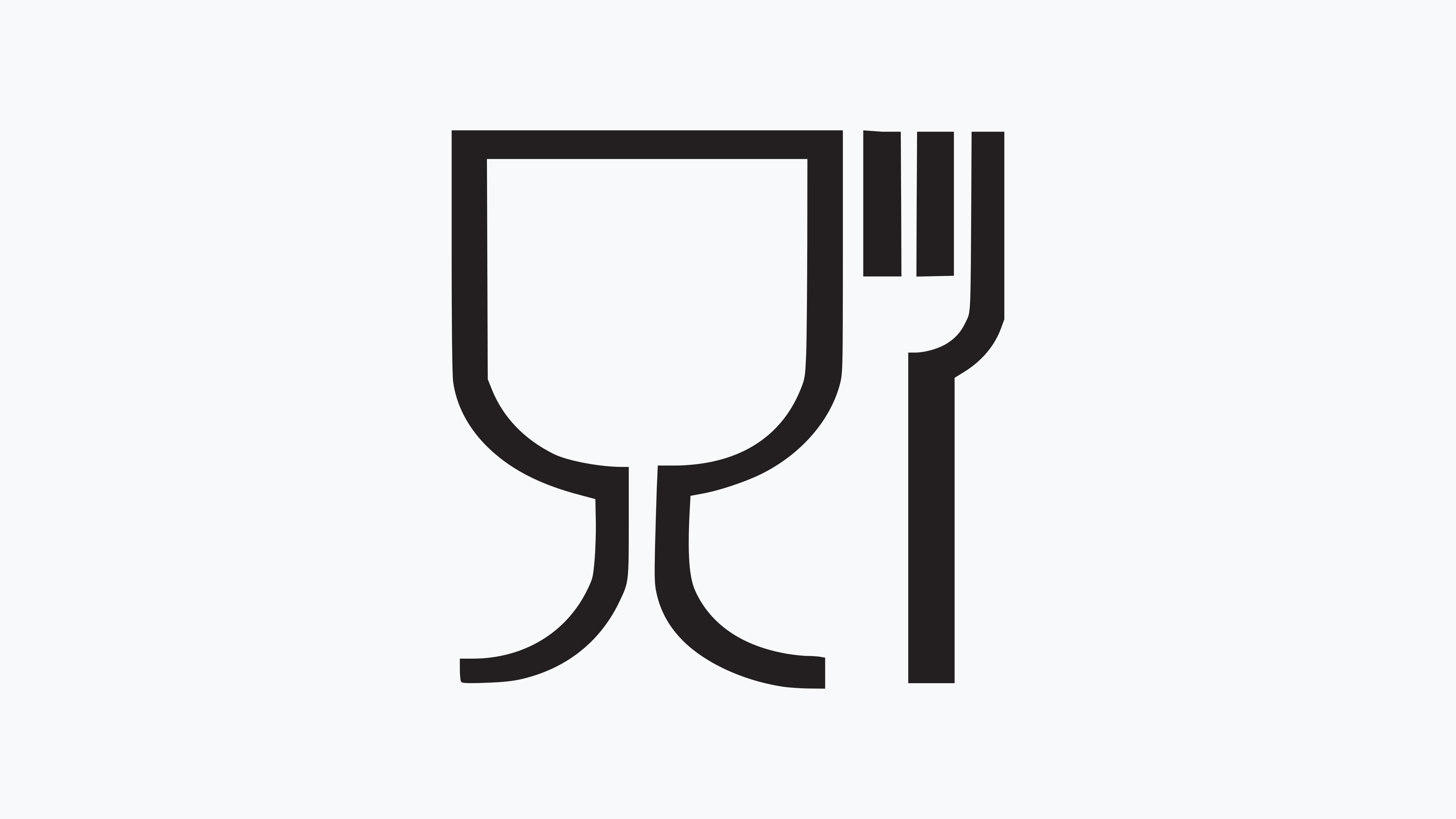
The Food Contact Materials symbol, also known as the glass and fork symbol, identifies products and materials intended to come into contact with food. Learn when the symbol is required, which products need it and what EU food contact rules apply.


When Is the Food Contact Materials Symbol Required?

The Food Contact Materials symbol, also known as the glass and fork symbol, identifies materials and articles intended to come into contact with food.

Under Regulation (EC) No 1935/2004, the symbol is required when a product's food-contact purpose is not obvious, unless this purpose is stated in words instead. Products clearly intended for food contact, such as plates, drinking glasses and cutlery, do not normally need the symbol. This requirement applies to materials and articles that have not yet come into contact with food when they are placed on the market.

Which Products Need the Food Contact Materials Symbol?

You will typically need the symbol on products such as packaging films and bags, food storage containers, food-contact parts of kitchen appliances and coffee machines, baking moulds, cling film, and components that come into contact with food during processing or storage. Food contact gloves may also require additional protective markings, such as EN ISO 374 for protection against chemicals and micro-organisms.

You will usually not need it on products such as knives, plates or mugs, because their intended food-contact use is already obvious.

What Happens if the Food Contact Symbol Is Missing?

Missing or incorrect food-contact labelling can result in compliance issues, customs holds or marketplace listings being deactivated. If you are not sure whether your artwork meets the requirements, have your labelling checked before you print. The symbol alone does not demonstrate full food-contact compliance. Depending on the material, additional documentation and requirements may apply. For example, plastic food-contact materials are subject to the specific requirements of Regulation (EU) No 10/2011, including applicable documentation and migration requirements.

Download the Food Contact Materials symbol on bottom of this page in SVG, PNG and PDF format. The files are free to use and redistribute. 

Use SVG for packaging artwork and professional printing, PNG for online listings and documents, or PDF for your printer.

Ceramics
View all
Ceramic Declaration of Compliance Download: Word and PDF
Preview

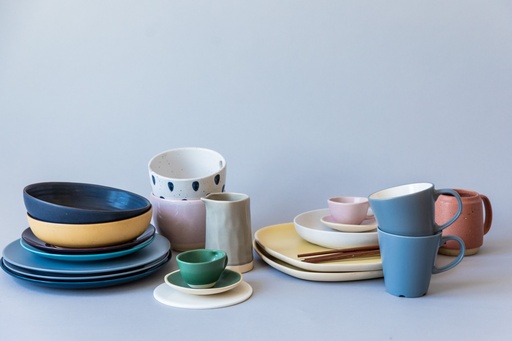
Ceramic tableware sold in the EU must be accompanied by a written declaration of compliance. Download our one-page template in Word or PDF.

What Is a Declaration of Compliance for Ceramics?

It is a written statement confirming that a ceramic article meets Directive 84/500/EEC and Regulation (EC) No 1935/2004. Directive 84/500/EEC limits how much lead and cadmium may migrate from ceramics into food. The declaration must identify the producer and any EU importer, the article itself, and the date. Article 2a requires it at every marketing stage up to and including retail.

Which Products Need This Declaration?

Any ceramic article intended to come into contact with food needs one, such as mugs, cups, plates, bowls, teapots and serving dishes. Purely decorative ceramics do not. The declaration must be renewed when a change in production, such as a new glaze or decoration, affects lead or cadmium migration.

What Are the Lead and Cadmium Limits?

Directive 84/500/EEC sets maximum quantities of lead and cadmium that may migrate from a ceramic article. The limits depend on the shape and use of the article, which is why the Directive divides articles into three categories. A standard mug, for example, falls into category 2:

  • Category 1: flat articles and articles with an internal depth of 25 mm or less. Lead 0.8 mg/dm², cadmium 0.07 mg/dm².
  • Category 2: all other articles that can be filled, such as mugs and bowls. Lead 4.0 mg/l, cadmium 0.3 mg/l.
  • Category 3: cooking ware, and packaging and storage vessels over 3 litres. Lead 1.5 mg/l, cadmium 0.1 mg/l.

Since 29 May 2026, Belgium, the Netherlands and Luxembourg apply much lower national limits. For category 2 these are 30 µg/l for lead and 20 µg/l for cadmium. If you sell in these countries, check that your test report’s detection limits are low enough to show compliance with these limits.

How Do I Fill In the Template?

Enter the producer, meaning the company that actually manufactures the finished article. Add the EU importer if there is one. Identify the article by product name, model number and batch, and describe its glaze and decoration, because a test result only applies to that combination. The declaration is then dated and signed by the manufacturer or an EU-based seller.

Do I Need Test Reports as Well?

Yes. A signed declaration alone does not prove compliance. The manufacturer or EU importer must be able to show authorities a lead and cadmium migration test report for the exact article. That report must include the test conditions and the laboratory’s name and address. Not sure your documents are sufficient? Have your product compliance checked.

Download

The Word version lets you fill in the declaration digitally. Prefer to complete it by hand? Print the PDF, fill it in and sign it. For related documents, see all food contact templates and symbols.

Declaration_of_Compliance_Ceramics.docxDeclaration_of_Compliance_Ceramics.pdf